How to Get Smooth, Invisible Wall Repairs That Blend Right In
To get clean, smooth results with drywall patching, you need the right tools, thin layers of compound, and careful sanding between coats. Small mistakes like rushing or skipping steps can leave bumps and lines. When you follow a clear process and stay patient, your wall repair can blend in so well that no one will notice it was ever damaged.
What You Need Before Starting
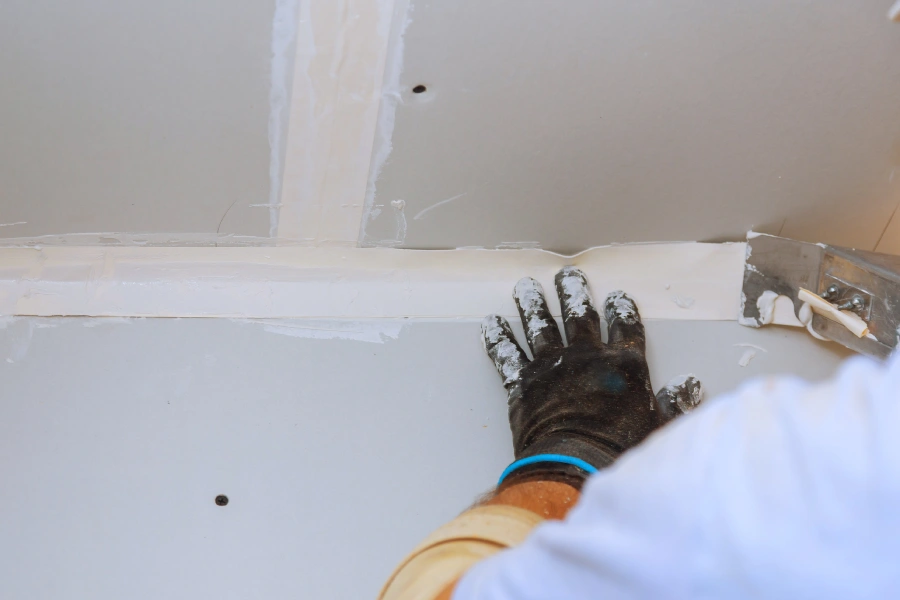
Before you begin drywall patching, gather everything first. Stopping halfway through makes the compound dry unevenly. Having the right tools also makes the job much easier.
- Drywall patch or scrap drywall piece
- Joint compound
- Putty knife in two sizes
- Sandpaper or sanding sponge (fine grit)
- Drywall tape (mesh or paper)
- Utility knife
- Primer and matching paint
If the hole is larger than a few inches, you may also need a drywall saw and backing support. Clean the area before you start so dust does not get trapped under the compound.
Step-by-Step Process for Smooth Results
Following the right order helps your drywall patching look flat and even.
- Cut and clean the area. Remove loose drywall and square off the hole if needed.
- Install the patch. For small holes, use a self-adhesive patch. For larger holes, secure a drywall piece with support behind it.
- Apply drywall tape. Place tape over seams to prevent cracks later.
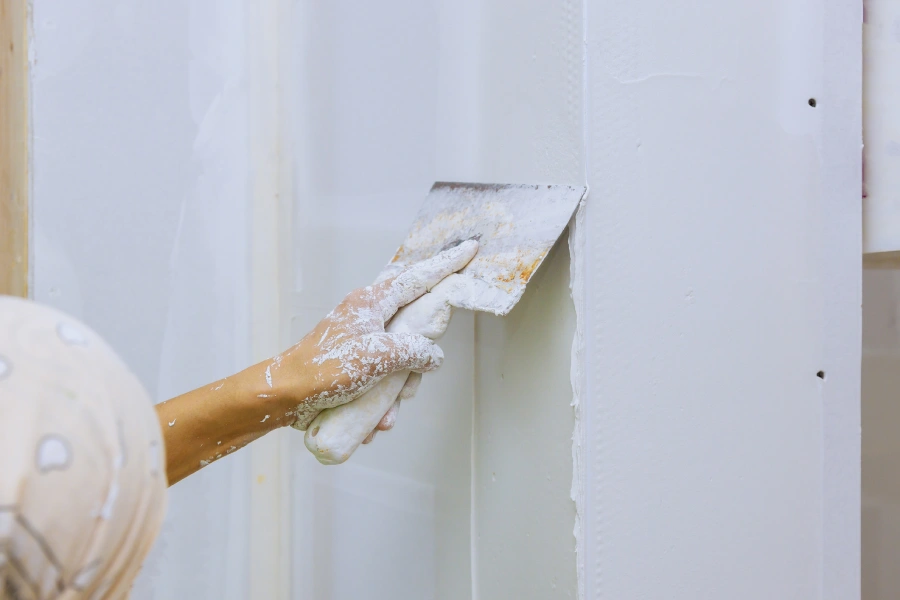
- Spread the first coat of compound. Keep it thin and smooth. Feather the edges outward.
- Let it dry fully. Do not rush this step. Dry time matters.
- Sand lightly. Use fine grit sandpaper and smooth out ridges.
- Add two more thin coats. Each layer should be wider than the last.
- Prime and paint. Primer seals the patch so paint blends evenly.
Thin coats are the secret. Thick layers take longer to dry and crack more easily.
Common Mistakes to Avoid
Many wall repairs look uneven because of simple errors. Watch out for these problems:
- Skipping drywall tape on seams
- Applying compound too thick
- Not letting each coat dry
- Sanding too hard and exposing the patch
- Forgetting primer before paint
Another common issue in drywall patching is leaving rough edges. Always feather the compound outward. This spreads the repair across a wider area so it blends into the wall.
When to Call a Professional
Small nail holes and minor dents are usually simple fixes. Larger problems can be different. If you see sagging drywall, water stains, or cracks spreading across the ceiling, the issue may go deeper.
Water damage, for example, can weaken the structure behind the wall. Patching over it without fixing the source will not last long. Large ceiling repairs are also more difficult because gravity pulls the compound down before it dries.
If the damaged area is bigger than a square foot, or if you cannot match the texture, calling a pro can save time and stress. A trained team can handle repairs smoothly and match existing finishes so the patch disappears.
Extra Tips for a Flawless Finish
Lighting makes a big difference. Shine a work light along the wall surface. This helps you see bumps and lines before painting. If you can feel it with your hand, you will see it after paint.
Mix your joint compound well before use. Smooth compound spreads easier and leaves fewer lines from your knife. Wipe your tools clean between coats to avoid dried chunks dragging across fresh mud.
Take your time with sanding. Gentle, even pressure works best. Fast, rough sanding creates dips that show after painting. Always wipe dust away before adding a new layer.
Get Help for Clean, Lasting Wall Repairs
If you are dealing with damaged walls in Fontana, CA, we can help. At L&J Coatings Inc, we handle drywall patching repairs for homes of all sizes, from small dents to larger wall and ceiling sections. We use careful prep, thin compound layers, and detailed sanding to get smooth results that blend in naturally. Call (626) 621-9223 to schedule a visit or talk through your repair needs with us today.