Small Wall Repairs Can Change How Well Your Walls Block Heat and Noise
Drywall patching can impact both insulation and soundproofing because the wall surface helps seal air gaps and block sound waves. When a wall has holes or cracks, air and noise move through more easily. A proper repair closes those gaps and restores the wall’s strength. If the patch is done poorly, the wall may still leak air or let sound pass through.
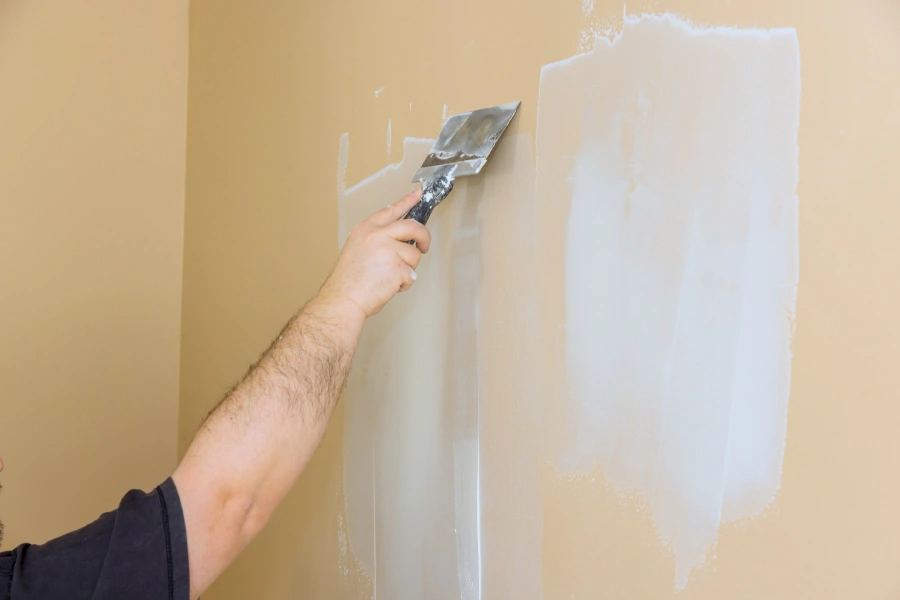
How Wall Damage Affects Insulation and Noise Control
Your walls do more than hold up paint. They help keep warm air in during winter and hot air out during summer. They also reduce noise between rooms. Even small holes from doorknobs, nails, or plumbing work can weaken that barrier.
When drywall is damaged, you may notice:
- Drafts near outlets or baseboards
- Higher energy bills
- More noise between rooms
- Echo sounds or hollow spots
These signs often mean the wall system is no longer sealed tight.
What Happens Behind the Drywall
Behind your drywall is insulation. This may be fiberglass batts, foam, or blown-in material. The drywall works with that insulation to block heat flow. If there is a hole, outside air can move through the wall cavity. That air movement lowers the insulation’s performance.
Sound works in a similar way. Sound waves travel through air gaps and thin surfaces. A cracked or poorly patched area can let more noise pass through. The larger the hole, the greater the impact.
How Proper Drywall Patching Restores Insulation Value
When drywall patching is done the right way, it seals the surface and helps the insulation do its job again. A solid patch stops unwanted airflow. It also adds back a dense layer that slows sound transfer.
A correct repair usually includes:
- Cleaning loose debris and damaged drywall.
- Adding backing support if the hole is large.
- Placing a fitted patch piece.
- Sealing seams with joint compound.
- Sanding smooth and priming the area.
Each step helps create an airtight seal. Skipping steps can leave small gaps. Even tiny gaps can reduce energy savings over time.
Common Mistakes That Reduce Performance
Some quick fixes may look fine but fail to block air and sound. For example, stuffing paper into a hole and covering it with compound does not restore insulation. It only hides the damage.
Other mistakes include:
- Not replacing wet or damaged insulation behind the wall
- Using mesh tape without proper compound coverage
- Leaving cracks around outlets and switch boxes
- Failing to seal edges before painting
If insulation inside the wall got wet from a leak, it may lose its ability to resist heat flow. In that case, the drywall repair must also include replacing the insulation. Otherwise, the wall will still feel cold or drafty.
When Soundproofing Needs Extra Steps
Standard drywall patching helps restore basic sound control. But it will not fully soundproof a room. If you want stronger sound blocking, extra materials may be needed.
These can include:
- Adding sound-rated drywall panels
- Installing acoustic sealant around seams
- Using sound clips or resilient channels
- Adding extra insulation inside the cavity
This type of work often falls under larger repair or remodeling projects within the drywall patching service category. It goes beyond a simple cosmetic fix and focuses on performance.
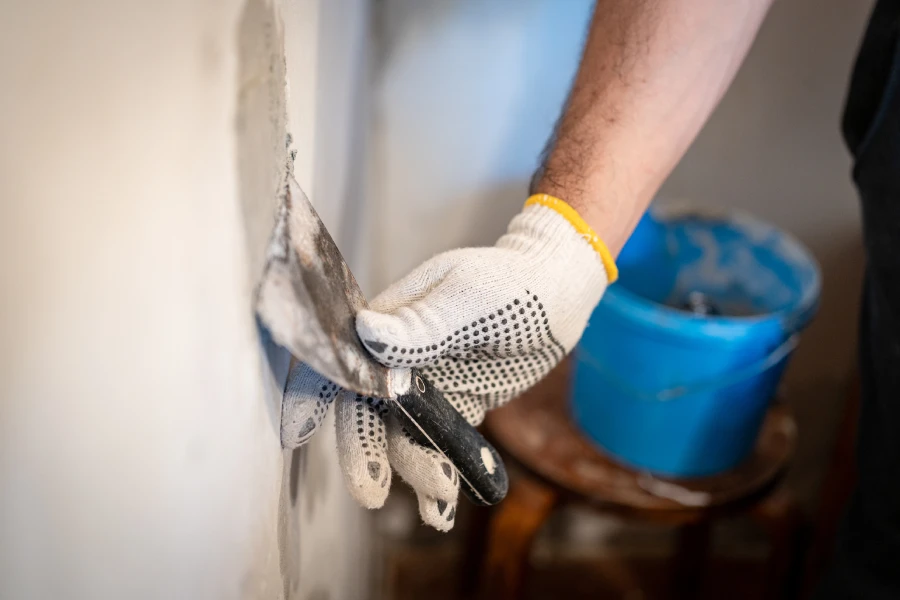
What to Check Before and After a Repair
Before starting a repair, check if the area feels cold or sounds hollow. Look for signs of moisture. Make sure there are no active leaks. Fixing the surface without solving the root problem can lead to repeated damage.
After the repair, pay attention to room comfort. The space should feel less drafty. Noise between rooms should decrease if the hole was large. A thermal camera or energy audit can also show if insulation gaps remain.
When to Call a Professional
Small nail holes are simple to handle. Larger holes, water damage, or repeated cracking often need expert help. If insulation must be replaced or if the wall is part of a shared space where sound control matters, professional work is a smart choice.
A trained crew can remove damaged materials, replace insulation, seal air leaks, and complete drywall patching so the wall performs like it should. This protects both comfort and energy costs.
Get Help Restoring Comfort in Your Home
If your walls feel drafty or rooms seem louder than before, it may be time for a closer look. In Fontana, CA, changing weather can put extra strain on damaged walls. At L&J Coatings Inc, we repair holes, cracks, and water damage so insulation and sound control work properly again. Call us at (626) 621-9223 to schedule an evaluation and let us help protect your comfort.